
Views: 0 Author: Site Editor Publish Time: 2025-03-03 Origin: Site
When it comes to metal stamping and other industrial applications, the choice of machinery can significantly affect efficiency, cost, and precision. Two common types of machines often used in these industries are pneumatic power press machines and mechanical power press machines (commonly referred to as power presses). While both are essential in their own right, understanding the differences between them can help manufacturers make informed decisions for their specific needs. In this article, we will explore the differences, advantages, and applications of these two types of machines while integrating relevant terms like pneumatic feeder for power press, pneumatic power press machine, and more.
Before diving into their differences, it's essential to define what each machine is and how it operates.
A pneumatic power press machine is driven by compressed air. It uses pneumatic pressure to create the force needed to perform tasks like punching, bending, cutting, and metal stamping. As the name suggests, these machines depend on air pressure, making them efficient and environmentally friendly. Pneumatic presses are widely used in industries where precision and speed are critical.
The term "power press" generally refers to a mechanical press. These machines are powered by a motor, which drives a flywheel to create the force required for the operation. Power presses are commonly used in heavy-duty metal stamping tasks and are known for their high strength and durability.
To make a well-informed decision, understanding the critical differences between these machines is crucial. Here’s how they compare:
| Feature | Pneumatic Power Press Machine | Power Press Machine |
|---|---|---|
| Power Source | Compressed air | Electric motor and flywheel |
| Force Generation | Pneumatic pressure | Mechanical energy |
| Precision | High precision due to controlled air pressure | Moderate precision depending on the motor and setup |
| Speed | Faster operation; ideal for high-speed applications | Slower compared to pneumatic systems |
| Energy Efficiency | Requires constant air supply but consumes less energy | Higher energy consumption due to motor operation |
| Maintenance | Easier and less frequent maintenance | Requires regular mechanical maintenance |
| Applications | Lightweight, precise stamping, and repetitive tasks | Heavy-duty metal stamping and forming |
From the table above, it’s clear that both types of machines cater to different needs. For instance, if you need a machine for lightweight, high-speed tasks, a pneumatic power press might be your best bet. On the other hand, if your project involves heavy-duty metal stamping, a traditional power press may be more suitable.
If you’re considering investing in a pneumatic power press machine, here are some of the key advantages:
High Precision: The use of compressed air allows for precise control, making it ideal for delicate tasks where accuracy is paramount.
Faster Operations: Pneumatic power presses operate faster than traditional power presses, making them suitable for high-volume production lines.
Environmentally Friendly: These machines use air as a power source, reducing the reliance on electricity and contributing to lower energy consumption.
Lower Maintenance Costs: With fewer moving parts compared to mechanical presses, maintenance is less frequent and less costly.
Versatility: Pneumatic presses are highly adaptable and can be used for various applications such as metal stamping, punching, and cutting.
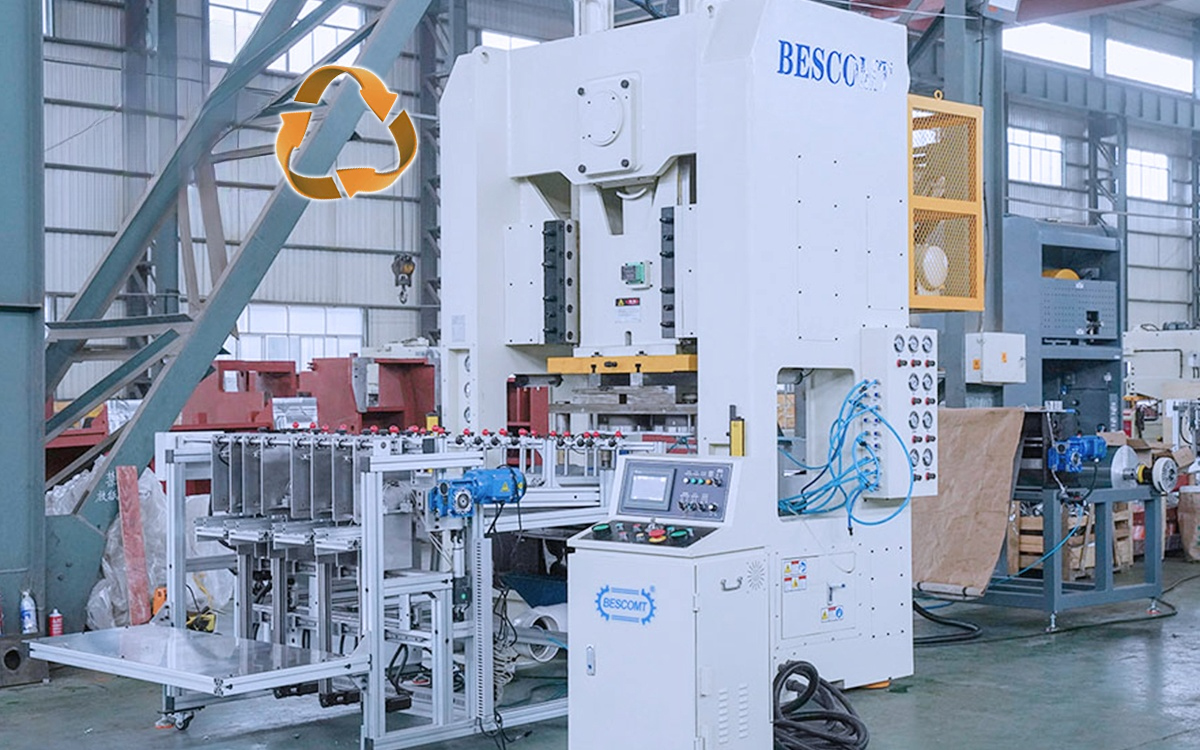
Both pneumatic power press machines and mechanical power presses are used in a variety of industries, including automotive, construction, and electronics. Here’s a breakdown of their applications:
Electronics Manufacturing: Ideal for small, delicate components that require precision.
Automotive Parts: Used for stamping lightweight car parts.
Packaging Industry: Helps in creating precise cuts and shapes for packaging materials.
Heavy-Duty Stamping: Perfect for large-scale operations like forming car body parts.
Metal Fabrication: Used in bending and shaping heavy-duty materials.
Construction Industry: Commonly used for producing robust metal components.
When deciding between a pneumatic power press machine and a traditional power press, it’s essential to consider the following factors:
Nature of the Task: If your project requires high precision and speed, a pneumatic power press is the better option. For heavy-duty tasks, go for a mechanical power press.
Budget: While pneumatic power presses may have a slightly higher initial cost, their lower maintenance expenses can make them more cost-effective in the long run.
Energy Efficiency: Pneumatic machines are more energy-efficient compared to traditional power presses, making them a better choice for environmentally-conscious manufacturers.
Scalability: Pneumatic presses are more suitable for high-volume production lines due to their speed.
If you’re in the market for a pneumatic power press for sale, consider exploring the products offered by trusted pneumatic power press manufacturers like BESCO Machine Tool Limited. They provide a wide range of high-quality machines tailored to meet modern industrial demands.
A1: A pneumatic feeder for power press is an auxiliary device that automates the feeding process for the press machine. It uses compressed air to move materials into the press, increasing efficiency and reducing manual labor.
A2: Yes, pneumatic power press machines are generally more energy-efficient because they rely on compressed air rather than a constantly running motor. This reduces overall energy consumption.
A3: While pneumatic power presses are excellent for precision and speed, they are not typically designed for heavy-duty tasks. For such applications, mechanical power presses are a better choice.
A4: Pneumatic power presses are widely used in industries like electronics, automotive, and packaging due to their precision, speed, and versatility.
A5: You can find high-quality pneumatic power press machines from reputable manufacturers like BESCO Machine Tool Limited. Visit their product page to explore available options.
Both pneumatic power press machines and mechanical power presses play vital roles in modern manufacturing. The choice between the two depends on the specific requirements of your project, such as precision, speed, and the nature of the task. While pneumatic power presses are ideal for high-speed and precise applications, mechanical power presses excel in heavy-duty operations.
If you’re looking to invest in a quality machine, consider reputable pneumatic power press manufacturers like BESCO Machine Tool Limited. Their diverse range of products ensures you’ll find the right fit for your industrial needs. Remember, understanding your specific requirements is key to making the best decision.


